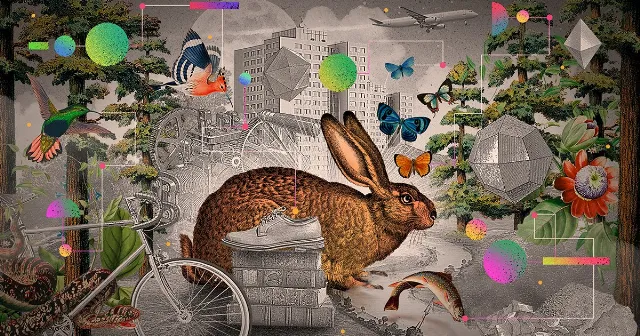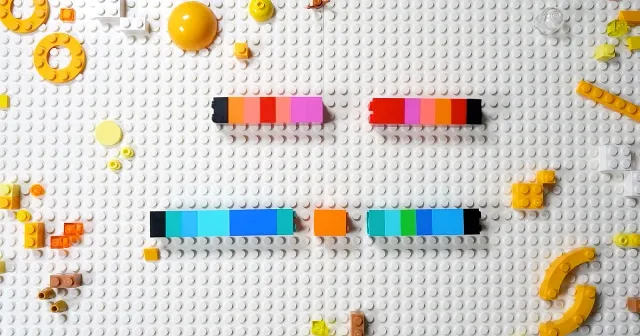
For decades, scientists viewed large swaths of our DNA as little more than genomic clutter—repetitive sequences with no apparent purpose. Among the most puzzling were transposons, often called “jumping genes,” which can cut and paste themselves into new locations. But far from being mere parasites or genetic noise, these mobile elements are now emerging as crucial players in the story of life.
From Junk to Jewels
Transposons make up nearly half of the human genome. Initially discovered in maize by Barbara McClintock in the 1940s, these sequences were long considered selfish DNA, replicating for their own benefit. Yet recent research reveals that over evolutionary time, some of these elements have been co-opted to serve vital functions in their host organisms. They have become “domesticated,” turning from invaders into allies.
Masters of Regulation
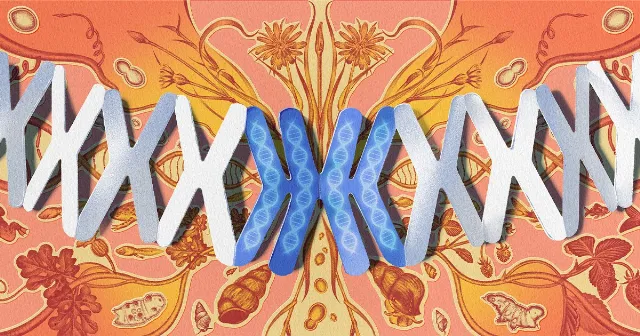
One of the most striking roles of transposons is in gene regulation. Many transposons carry regulatory sequences that can influence the expression of nearby genes. For example, some have been co-opted to act as enhancers or promoters, helping to turn genes on or off in specific tissues or developmental stages. This has been particularly important in the evolution of the placenta and the immune system.
In the immune system, transposon-derived sequences have been shown to contribute to the regulation of interferon responses—key defenses against viruses. They also play a role in the diversification of antibodies, a process that relies on the same molecular machinery that once enabled transposons to move.
Shaping the Brain and Beyond
Transposons are also active in the brain, where they can influence neural plasticity. Studies have shown that transposon activity in neurons can affect the expression of genes involved in learning and memory. While excessive jumping can be harmful, a controlled level of activity may contribute to the diversity of neurons and enhance cognitive adaptability.
Beyond the brain, transposons have been implicated in the evolution of vertebrate development. For instance, a specific transposon-derived protein called RAG1 is essential for the rearrangement of immune receptor genes, a process that allows our immune system to recognize countless different pathogens. This is a classic example of a transposon gene being repurposed for a host function.
Not Just Our Story
This phenomenon is not limited to humans. Across the tree of life, transposons have left their mark. In plants, they can drive the evolution of stress responses, and in some species, they have become essential for reproduction. The story is one of ongoing co-evolution, where the host and these mobile elements have come to a delicate balance.
Interestingly, the study of transposons is also shedding light on broader evolutionary questions, such as how whole-genome duplications can lead to innovation—a topic explored in the risks and rewards of genome duplication. Similarly, the way transposons have been co-opted parallels the role of borrowed ideas in mathematics, where concepts from one domain find new life in another.
A New Perspective
The shift in perspective—from seeing transposons as junk to recognizing them as partners—reflects a broader trend in biology. We are learning that complexity often arises from the repurposing of existing elements, rather than from entirely new creations. As we continue to unravel the genome, we are discovering that our evolutionary history is not a clean lineage but a mosaic of viral-like elements and host innovations.
Understanding transposons is not just an academic exercise. It has practical implications for medicine, as dysregulation of these elements has been linked to diseases such as cancer and neurological disorders. By appreciating their roles, we may find new ways to harness or control them for therapeutic benefit.
In the end, the story of transposons is a reminder that evolution is not a ladder of progress but a web of interactions, where even the most unlikely actors can become indispensable partners.