In the intricate tapestry of evolution, species often appear as fixed entities, slowly changing over millennia. Yet, a growing body of research reveals a more dynamic reality: many organisms harbor the ability to rapidly adapt to hyperlocal environments without diverging into new species. These adaptive forms, known as ecotypes, act as living archives of a species' genetic past, offering a window into how populations respond to immediate pressures while retaining the potential for future change.
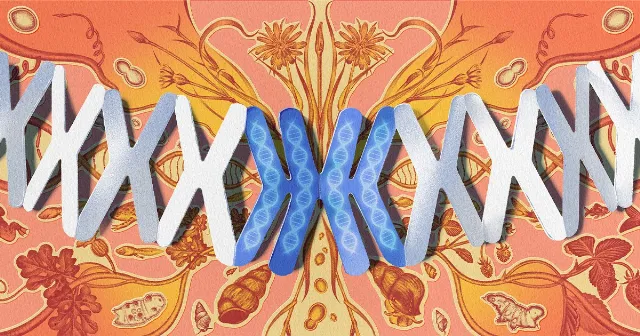
Evolutionary biologists are uncovering the genomic mechanisms that allow this flexibility. Unlike the gradual process of natural selection typically associated with speciation, ecotypes can emerge within just a few generations. This rapid shift is not random; it is orchestrated by regulatory networks that toggle between genetic programs, enabling a single species to thrive in drastically different conditions—from arid deserts to lush wetlands.

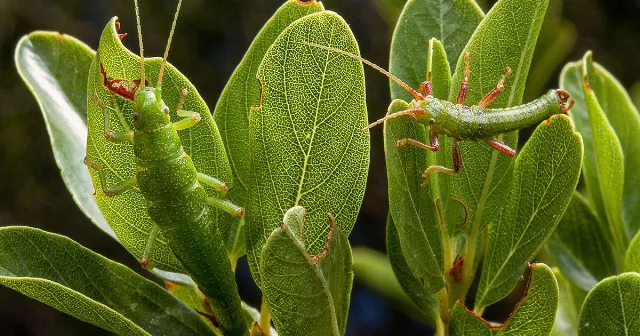
One striking example comes from studies of the Arabidopsis thaliana plant, which exhibits distinct ecotypes adapted to specific climates. Researchers have identified that these adaptations are encoded not in new genes, but in the expression patterns of existing ones. This insight echoes findings in other organisms, such as fish that adjust their body shapes to different water flows or insects that alter their coloration to match local substrates. The underlying principle is that ecotypes serve as a repository of genetic memory, preserving ancestral responses to environmental challenges that may recur.
This phenomenon challenges traditional views of evolution as a linear path. Instead, it suggests a more flexible system where species can draw upon a toolkit of pre-existing genetic variations. A recent study highlighted that some species can reverse their ecotype within a few generations when conditions change, effectively flipping between forms. This plasticity is possible thanks to epigenetic modifications and structural variants in the genome that can be activated or silenced as needed.
The implications extend beyond basic biology. Understanding how ecotypes store and retrieve genetic memory could inform conservation strategies, especially in the face of climate change. As habitats shift rapidly, species with this adaptive capacity may be better equipped to survive—or, conversely, may face hidden vulnerabilities if their genetic archives are eroded by genetic drift or inbreeding. For instance, the ability of some corals to switch ecotypes in response to warming waters offers a glimmer of hope, but only if the underlying genetic diversity is preserved.
Interestingly, this concept resonates with other fields of science. Just as ecotypes harbor genetic memory, recent research in neuroscience has explored how memories can be transferred between organisms, hinting at conserved mechanisms across biological scales. Meanwhile, the mathematical underpinnings of such adaptive systems are being explored through AI-driven pattern recognition, which reveals hidden structures in genomic data.
The discovery that ecotypes act as a genetic memory bank also raises philosophical questions about identity and change. A species that can rapidly morph between forms is not a static entity but a dynamic system, balancing stability with flexibility. This perspective aligns with emerging views in physics, where complex systems exhibit memory through intricate molecular arrangements. Similarly, the bacterial flagellar motor, a microscopic marvel, demonstrates how physical forces shape biological adaptation.
In essence, ecotypes are not just variations on a theme; they are the species' own library of evolutionary experiences. By studying these hyperlocal adaptations, scientists are learning that the past is never truly lost—it is encoded in the genome, waiting to be called upon when the environment demands it. This reshapes our understanding of resilience, reminding us that the ability to adapt is itself a legacy of generations past.